
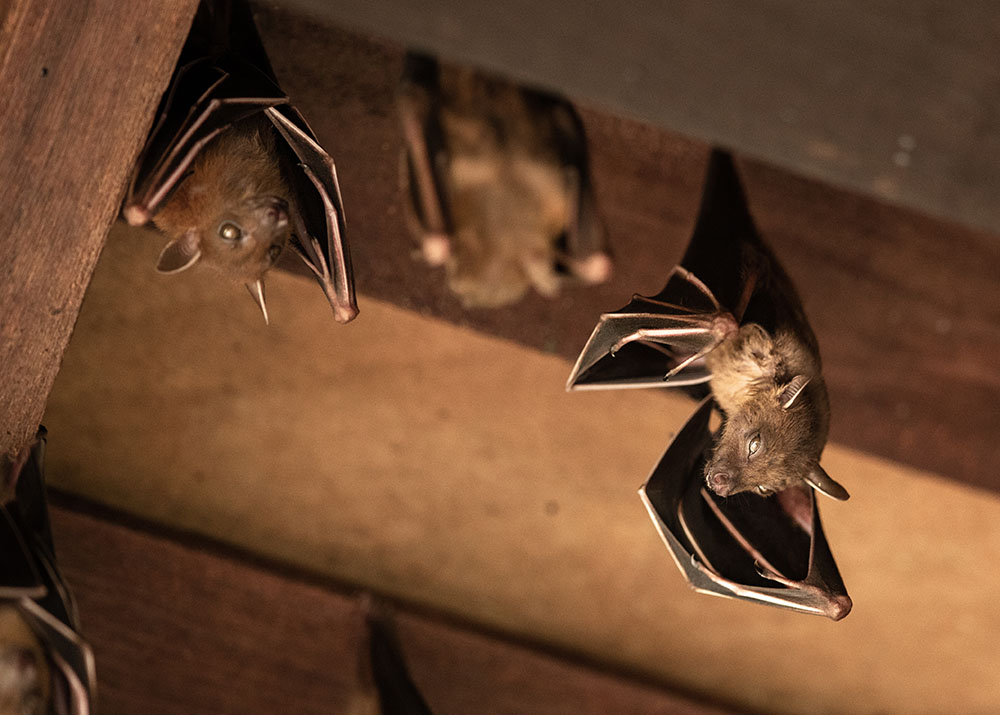
What to Know About Bats in Your Attic
Hearing scratching or squeaking overhead and suspecting bats in your attic? You are not alone, and the most important thing to know up front is this: in Georgia, you cannot legally remove bats whenever you want. State rules protect bats during their maternity season, when flightless pups are in the roost, and that timing shapes everything about how and when the problem gets solved.
The good news is that there is plenty you can do right now, even during the protected window, to prepare for a safe, effective removal. This guide explains the rules, what homeowners can do during maternity season, how professional bat exclusion works, and why early fall is the ideal time to schedule.
Georgia’s Bat Maternity Season Rules
Georgia’s Department of Natural Resources is clear about timing. According to the Georgia DNR, bat exclusions should be avoided between April 1 and July 31, because during this period young pups are too small to fly and would be trapped inside and die if the adults were sealed out. If an exclusion absolutely must happen during the maternity season, the DNR states it has to be carried out by a licensed Nuisance Wildlife Control Operator.
This matters for two reasons. First, sealing bats out at the wrong time is both inhumane and can leave dead pups decaying in your walls or attic. Second, bats are protected, so this is not a DIY job during the maternity window. Working with a professional who knows and follows the state rules keeps you compliant and protects the bats.
What You Can Do During Maternity Season
Just because exclusion has to wait does not mean you are stuck doing nothing from April through July. This window is actually the perfect time to get everything ready so removal can happen the moment it is allowed. During maternity season, we can:
- Perform a bat evaluation: Identify how the bats are getting in, roughly how many are present, and which entry points matter most.
- Monitor the roost: Track activity so we understand the colony’s patterns before exclusion day.
- Plan your exclusion: Map out the one-way doors, sealing work, and cleanup so nothing slows us down once the window opens.
- Prepare repairs: Note the gaps, vents, and roofline openings that will need sealing.
Think of maternity season as the planning phase. By the time pups are flying, your post-maternity exclusion plan is ready to go.
How Professional Bat Exclusion Works
Bat removal in Georgia is done through exclusion, not extermination. It is illegal to kill or trap bats, so the humane and legal approach is to let them leave on their own and then keep them from coming back.
The key tool is a one-way door. We install these devices over the active entry points so bats can crawl out to feed at night but cannot get back in. Once we confirm the entire colony has left, we seal every potential opening, since bats can slip through gaps as small as a quarter inch. The final step is cleaning up and decontaminating the roost area where guano has accumulated. Done correctly, exclusion solves the problem permanently rather than just shooing bats out for a few weeks.
Why September Is the Time to Schedule
Once the maternity season ends, exclusion can resume. We recommend scheduling your bat exclusion for early September, and starting around September 1 is the sweet spot. By then, this season’s pups are reliably flying and feeding on their own, so a one-way door safely lets the whole colony out with no young left behind.
September also lands before bats begin seeking winter shelter, so you close up your home before the next round of roosting starts. Spots fill up fast in early fall because every reputable operator is working within the same window, so the smart move is to book your evaluation during the summer and lock in a September exclusion date. If you reach out now, we will get your plan ready so you are first in line when the window opens.
Bats and Your Health: The Facts
Bats play a valuable role in our ecosystem, eating huge numbers of insects every night, but a colony living in your home does raise real concerns. A few facts worth knowing:
- Guano accumulation: Bat droppings pile up over time and can carry a fungus associated with the respiratory illness histoplasmosis, which is why professional cleanup matters.
- Rabies: Most bats are not rabid, but bats are a known rabies carrier, so you should never handle a bat directly.
- Structural buildup: Large amounts of guano can stain ceilings, produce strong odors, and add weight and mess to attic spaces.
These are factual reasons to address a colony properly rather than ignore it. If you have had direct contact with a bat, follow CDC guidance and seek medical advice promptly.
Get Your Bat Removal Plan Started
Bats in your attic are a problem worth solving the right way: legally, humanely, and permanently. Pete’s Pest Patrol understands Georgia’s maternity season rules and can prepare your home now so exclusion happens the moment the window allows.
Whether you need an evaluation during maternity season or you are ready to schedule a September exclusion, our team can help. Learn more about our bat removal in Athens service, or explore our full range of wildlife and critter removal options. Call us today or request a free estimate to get your plan in motion.


