

Termite bait systems vs liquid: the quick comparison
Choosing the right termite treatment starts with understanding how each method works and which types of infestations it handles best. Termites can quietly damage structural wood long before anyone notices, and Georgia’s warm, humid climate keeps colonies active nearly year-round. If you own a home or manage a commercial property in Athens, selecting the right termite treatment option is one of the most important decisions you can make to protect your investment.
A termite bait system uses in-ground stations that termites find, feed on, and share back to the colony.
Liquid termite treatment applies a professional termiticide to the soil to help stop termites as they attempt to enter.

Baiting focuses on colony reduction and ongoing monitoring
Liquid treatment focuses on a treated soil zone around key entry points
The “best” option depends on your infestation type, property layout, and long-term protection goals
When Termite Baiting Is a Smart Move
Termite baiting is often a strong fit for both homes and commercial properties where you want continuous monitoring with minimal disruption. It can be especially helpful when hardscapes, entrances, or landscaping make a full liquid perimeter more difficult.
At Pete’s Pest Patrol, we install Trelona Advance Termite Bait Stations (ATBS), which are placed at strategic intervals around your property. Worker termites discover the bait during their natural foraging, consume it, and carry it back to the colony. Because the active ingredient is shared through feeding and grooming, it reaches the queen and eliminates the entire colony over time.
Bait stations also serve as a built-in monitoring network. Our technicians check them on a regular schedule, so new activity is caught early before it becomes a problem. This makes baiting one of the strongest long-term termite treatment options for Georgia homeowners who want ongoing, proactive protection.
Baiting is especially effective against subterranean termites, which are the most common species in the Athens area. Because subterranean colonies forage through soil, they naturally encounter in-ground stations as they search for new food sources.
When Liquid Termite Treatment Is a Better Fit
Liquid termite treatment is useful when you want a strong perimeter defense at the soil line, especially if the layout allows consistent application around the structure. Some properties need prep work around foundations, patios, or concrete edges to get full coverage.
During a liquid treatment, a professional termiticide is applied to the soil surrounding your foundation, creating a continuous treated zone. Termites that pass through this barrier pick up the product and carry it back to the colony, which means it works both as a wall and as a transfer agent.
Liquid treatments deliver fast results, making them a strong choice when there’s an active infestation that needs immediate attention. They’re also effective for properties where the foundation is fully accessible and trenching around the perimeter is straightforward.
Like baiting, liquid treatment is highly effective against subterranean termites. It can also provide a layer of protection for homes where drywood termite activity has been found in combination with subterranean pressure, since the barrier defends the structure from below while other measures address the wood directly.
Which Treatment Works Best for Each Termite Type?
Not all termite treatment options work equally well against every species. Understanding the difference between subterranean and drywood termites helps you make a more informed decision.

Subterranean Termites
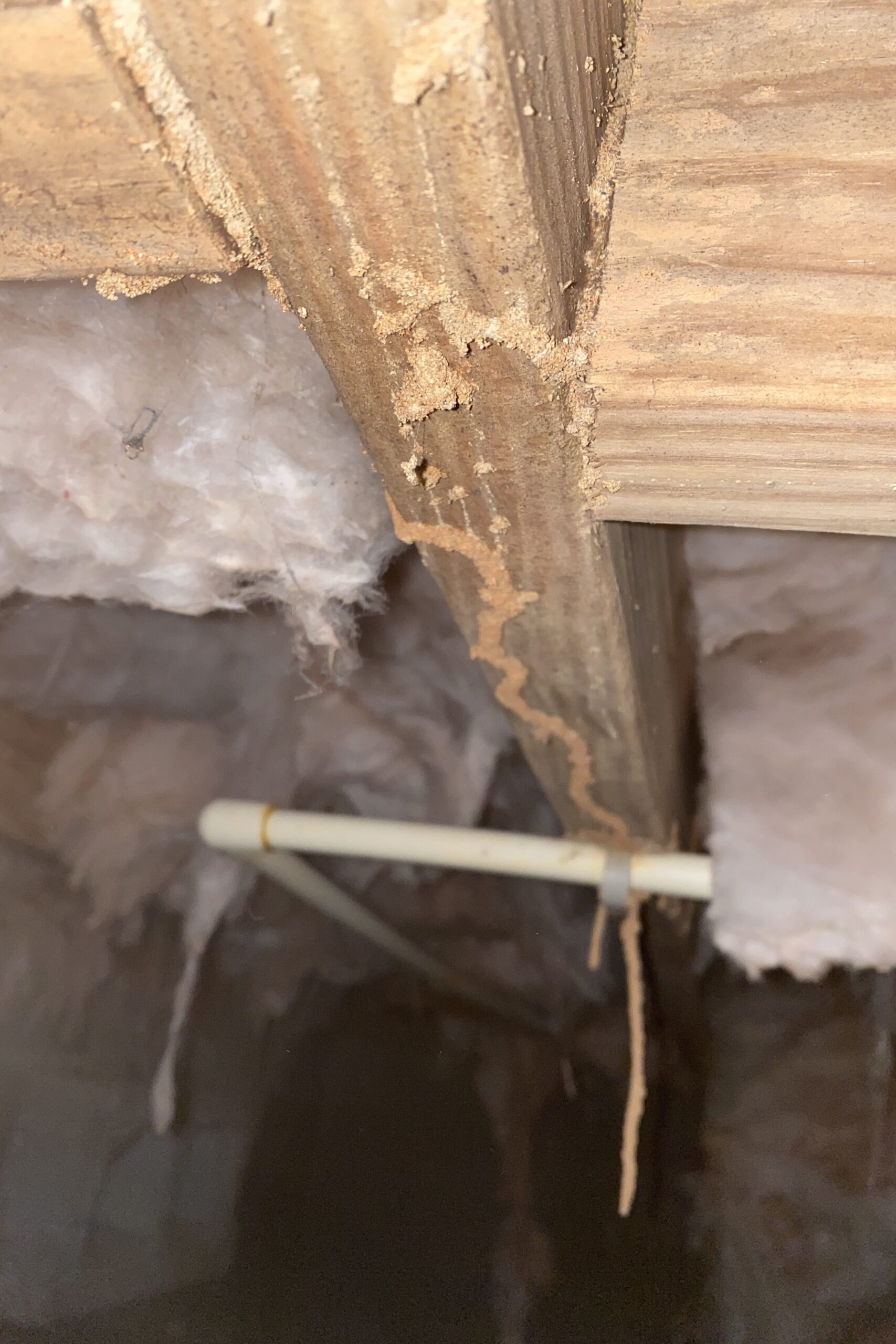
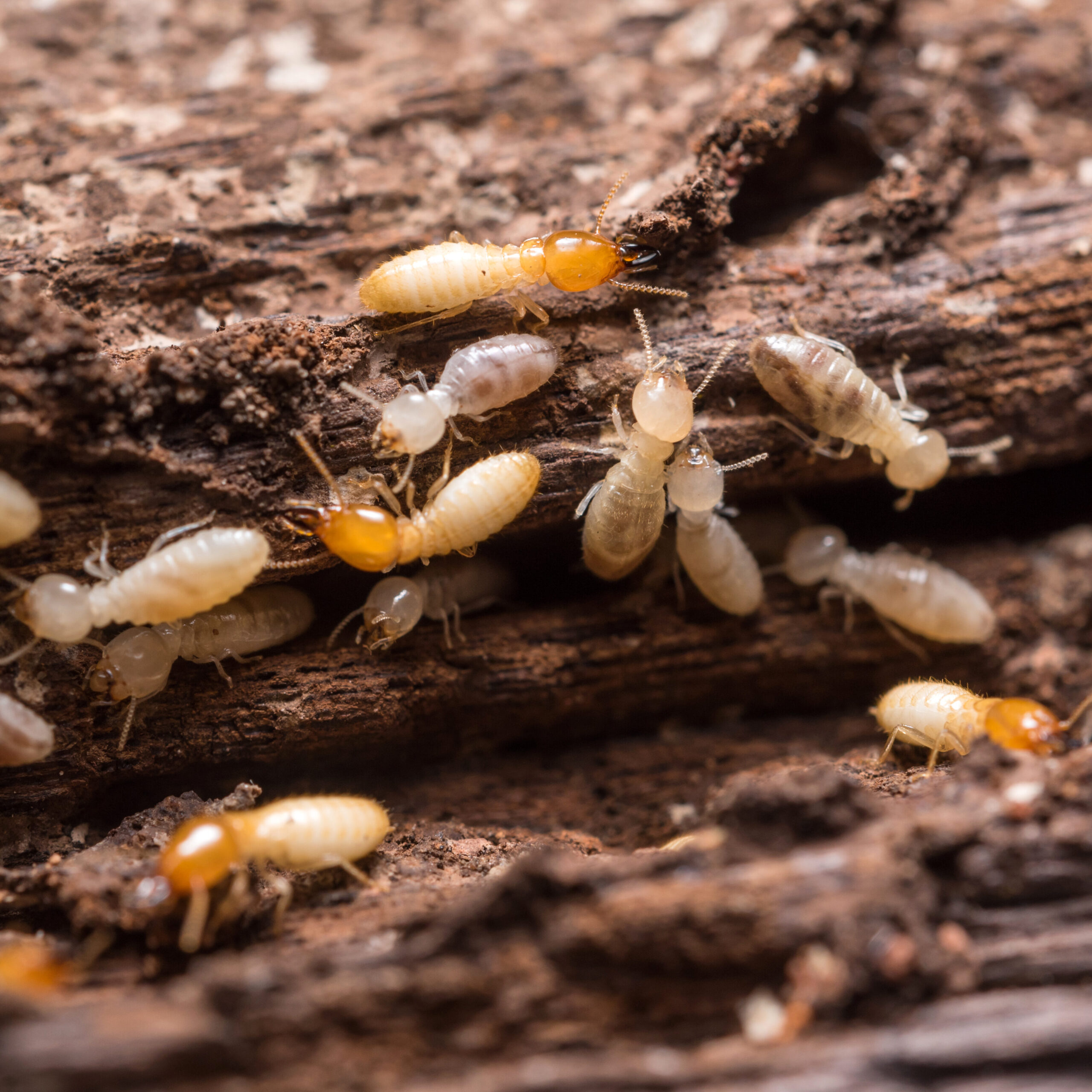
Subterranean termites are the most common species in Georgia. They nest underground and build mud tubes to reach the wood in your home. Both bait systems and liquid barriers are highly effective against subterranean colonies because they intercept termites at the soil level where foraging happens. For most Athens-area homeowners, one of these two methods, or a combination of both, is the recommended approach.
Drywood Termites
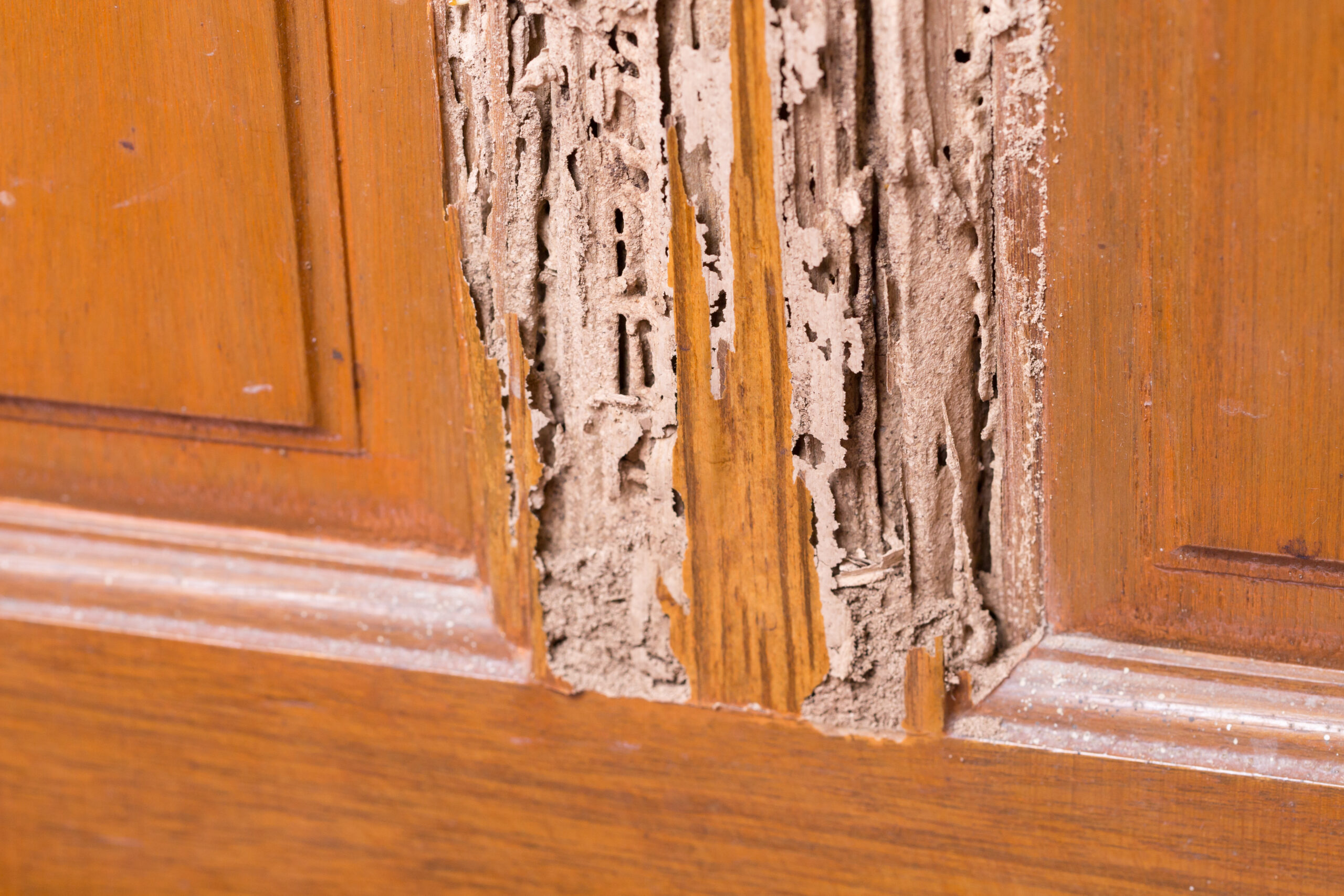
Drywood termites live entirely inside the wood they consume and don’t require contact with soil. They’re less common in Georgia than subterranean species, but they do appear, particularly in older homes with untreated wood. Localized treatments, such as injecting termiticide directly into infested wood, are typically used for isolated drywood colonies.
What About Termite Fumigation?
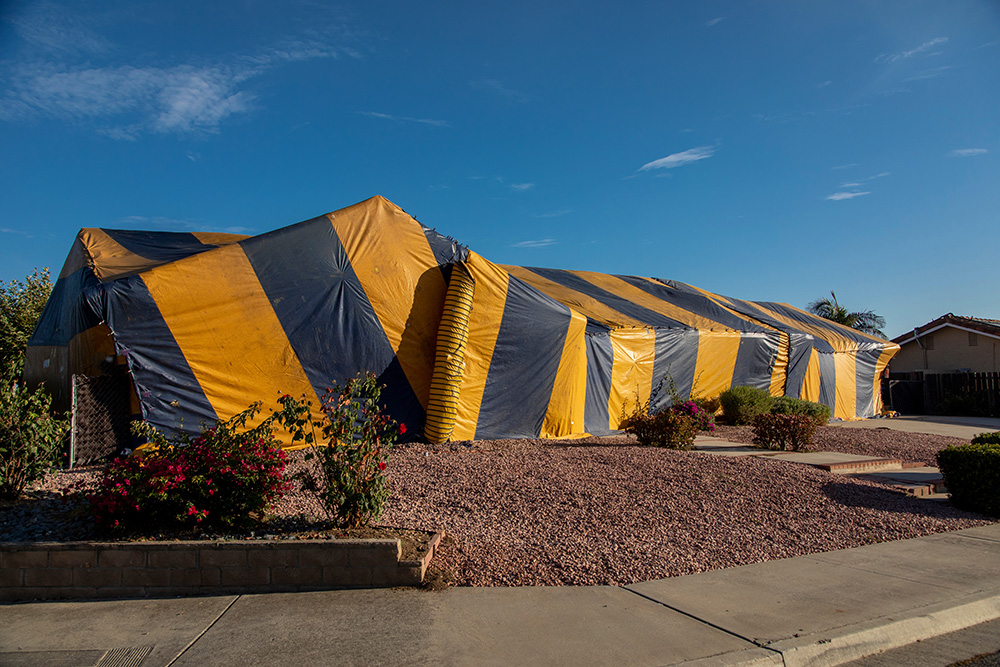
Some homeowners research termite fumigation vs liquid treatment when exploring their options. Fumigation involves tenting the entire structure and filling it with a gas that penetrates wood to kill termites inside. It’s primarily used for severe drywood termite infestations where colonies are spread throughout multiple areas of the home and localized treatments aren’t practical.
The vast majority of infestations in the Athens area are caused by subterranean termites, which live in the soil beneath your home, not inside the wood itself. Fumigation doesn’t create a lasting barrier in the soil, so it won’t prevent subterranean colonies from returning.
If you’ve been told your property needs fumigation, we’re happy to provide a second opinion. In many cases, a targeted combination of baiting and liquid treatment can solve the problem more effectively, at a lower cost, and without requiring you to leave your home.
Choosing the right option for you
The right solution comes down to your building type (slab vs crawlspace), access around the perimeter, and your risk level. Want to compare options first? Visit our Pricing page. Premium and Pete’s Plans include professional installation of Trelona Advance Termite Bait Stations. Then click “Get A Free Estimate” or “Request A Quote,” and we’ll recommend the best next step for your property.
Get the Right Termite Protection for Your Home
Don’t wait for visible damage to make a decision. Whether you need immediate relief from an active infestation or a long-term monitoring plan to keep termites out, Pete’s Pest Patrol has the termite treatment options Athens, GA homeowners and businesses trust. Call us today or request a free estimate to get a plan built for your property.


