
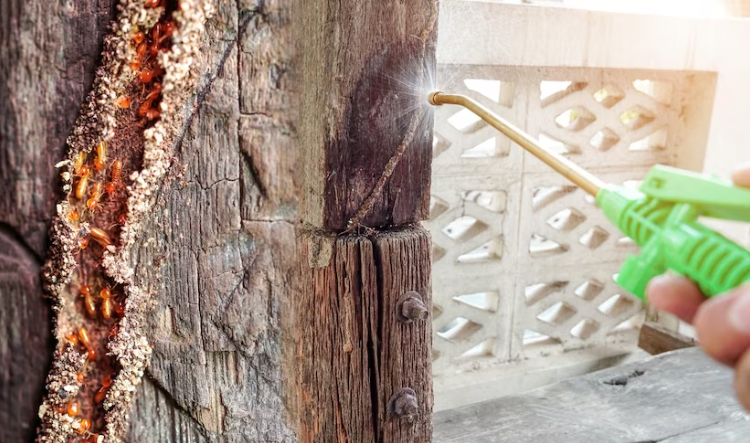
Why Termite Prevention Matters in Georgia
If you own a home in Georgia, termite prevention is one of the smartest things you can do to protect it. Our warm, humid climate keeps termites active nearly year-round, and a colony can feed on your home’s structure for months before you ever see a sign. The good news is that most infestations are preventable with a few consistent habits.
This guide walks through ten practical steps to keep termites away from your Georgia home. Most are simple things you can do yourself, and together they remove the moisture, food, and easy access that termites depend on. The goal is to make your home a place termites want to avoid.
1. Eliminate Wood-to-Soil Contact
Termites travel up from the soil, so any spot where wood touches the ground is an open door. Keep deck posts, porch steps, fence sections, and siding from making direct contact with dirt. Where wood has to meet the ground, use concrete bases or termite-resistant materials to break the connection.
2. Control Moisture and Drainage
Termites are drawn to moisture more than almost anything else. Make sure water drains away from your foundation rather than pooling against it, and fix leaky spigots, pipes, and AC condensation lines promptly. Damp crawl spaces are a particular magnet, which is why moisture control and crawl space encapsulation pair so well with termite prevention. Drier soil means a far less inviting home.
3. Manage Mulch Around the Foundation
Mulch holds moisture and sits right against the soil, which makes it a convenient bridge for termites. Keep mulch beds a few inches away from your foundation and siding, and use it sparingly near the house. Pine straw, gravel, or rubber mulch alternatives near the foundation can reduce the risk while still looking tidy.
4. Store Firewood Away From the House
Firewood, lumber, and scrap wood stacked against your home give termites both food and a launching point. Store firewood at least 20 feet from the house and keep it elevated off the ground. The same goes for cardboard, old fence boards, and any other cellulose piled up near the foundation.
5. Seal Foundation Cracks and Entry Points
Termites can squeeze through gaps as thin as a sheet of paper. Seal cracks in your foundation, fill gaps around pipes and utility lines, and close openings where the foundation meets the framing. This not only blocks termites but also helps with energy efficiency and keeps other pests out.
6. Keep Gutters and Downspouts Clear
Clogged gutters spill water down your walls and pool it around your foundation, creating exactly the damp conditions termites love. Clean your gutters regularly and make sure downspouts carry water several feet away from the house. It is a small chore with a big payoff for termite prevention.
7. Trim Vegetation and Improve Airflow
Shrubs, vines, and tree limbs pressed against your home trap moisture and hide termite activity from view. Trim plants back so there is a clear gap between greenery and your siding. Better airflow keeps the exterior drier and makes it easier to spot mud tubes or damage early.
8. Watch for Early Warning Signs
Knowing what to look for helps you catch a problem before it spreads. Keep an eye out for mud tubes on your foundation, hollow-sounding or termite damaged wood, sagging floors, bubbling paint, and small piles of discarded wings near windows in spring. If you spot any of these, do not wait. Early action keeps repairs small.
9. Schedule Annual Termite Inspections
Even a careful homeowner cannot see inside walls and under floors. A yearly professional termite inspection is the most reliable safeguard, because trained technicians use specialized tools to find activity you would never notice on your own. For most Georgia homes, an annual check is the single best prevention habit you can build.
10. Consider a Professional Bait Station Program
For long-term, hands-off protection, a professional bait station system is hard to beat. In-ground stations around your property intercept foraging termites and eliminate the colony before it ever reaches your home, while also serving as an early-warning monitor. If you want to understand your options, our guide to termite baiting versus liquid treatment breaks down how each approach works.
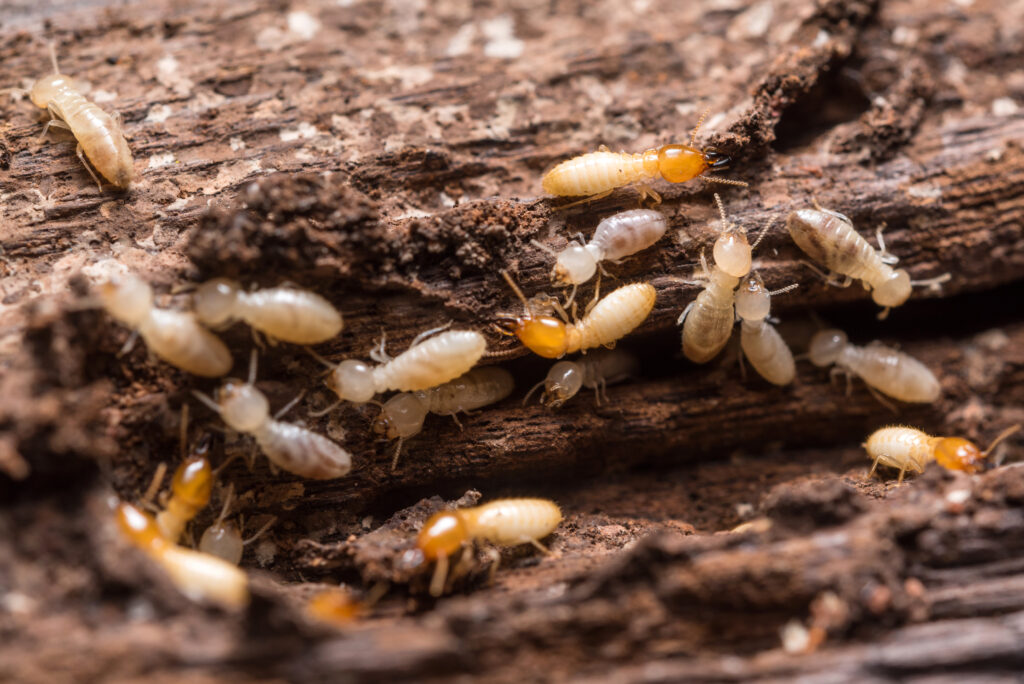
What If You Already Have Termites?
Prevention is ideal, but if you suspect termites are already in your home, act quickly. DIY sprays only reach the termites you can see, not the colony underground, so they rarely solve the problem. The most effective path is professional termite removal that targets the colony at its source with liquid barriers, bait systems, or both.
The longer termites feed, the more they cost you, so fast action is always cheaper than waiting. A professional can confirm what you are dealing with and recommend the right treatment for your home.
Protect Your Georgia Home From Termites
The best termite prevention is a steady mix of smart habits and professional help. Reducing moisture, removing easy access, and scheduling regular inspections go a long way, and a professional plan covers what you cannot see.
Pete’s Pest Patrol has spent more than 15 years helping Athens-area homeowners keep termites out and protect their biggest investment. If you would like a professional inspection or a prevention plan built for your home, call us today or request a free estimate.


