
Understanding Termite Swarm Season in Georgia
If you’ve ever seen a cloud of small winged insects near your windows or doors on a warm spring evening, you may have witnessed termite swarm season in Georgia firsthand. Swarms are one of nature’s most visible warning signs that a mature termite colony is living nearby, and for homeowners in Athens and Northeast Georgia, they should never be ignored.
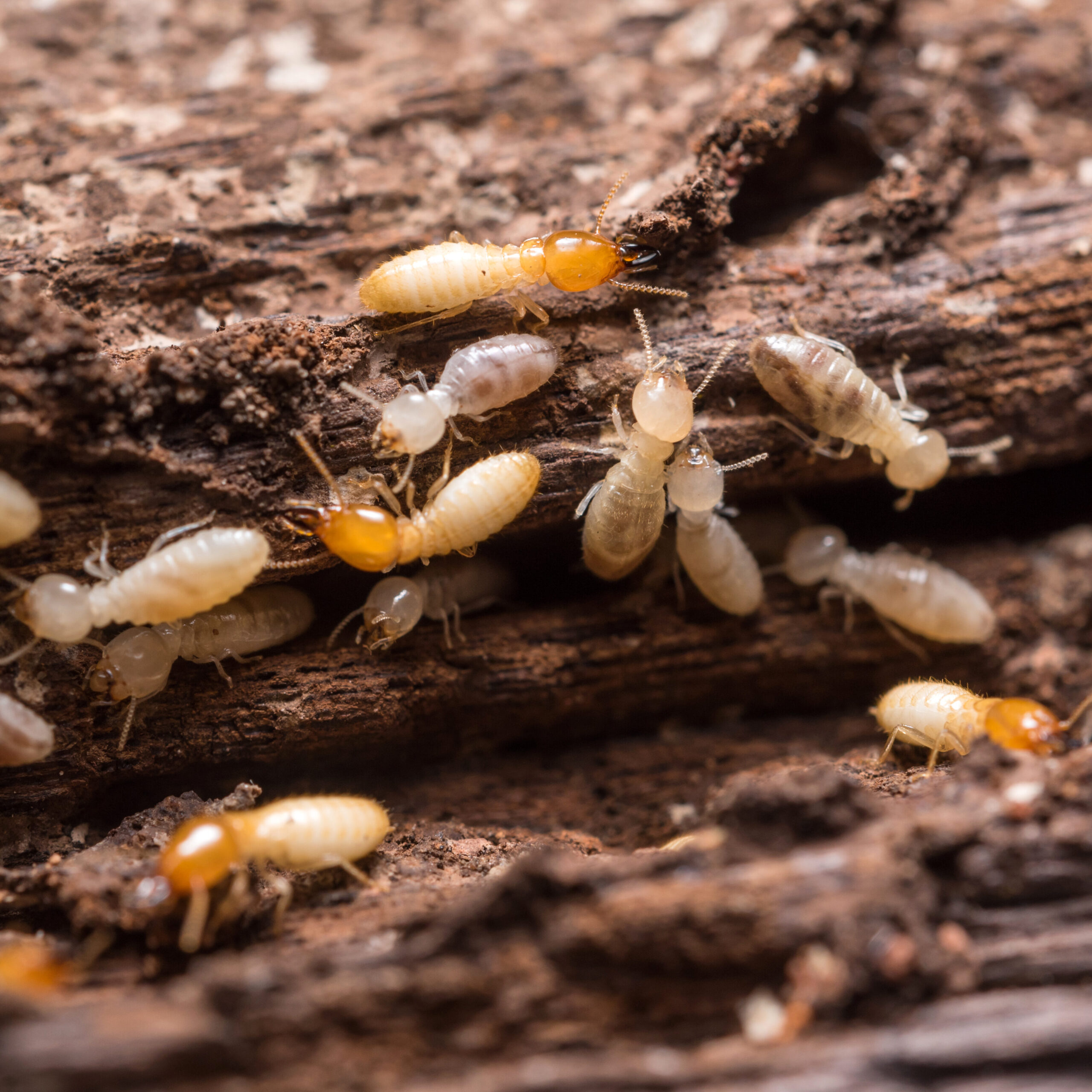
Termite swarmers are reproductive members of the colony known as alates. Their only job is to leave the nest, pair up, and start new colonies. Seeing them inside your home is a strong indicator that an active colony is already established in or near the structure. Knowing when termites swarm, what triggers the event, and how to tell them apart from other flying insects can help you act quickly and protect your property.
When Do Termites Swarm in Georgia?
In Georgia, termite swarm season typically runs from late February through May, with peak activity in March and April. The eastern subterranean termite, which is the most common species in our region, tends to swarm on warm days following a soaking rain. A combination of rising soil temperatures, higher humidity, and moisture in the ground signals to the colony that conditions are right for flight.
Swarms usually happen during daylight hours, often in the late morning or early afternoon. You may notice them near windows, exterior doors, or around porch lights where they’re drawn to the light. In some cases, homeowners find swarmers emerging from cracks in the foundation, expansion joints in a slab, or gaps around plumbing penetrations.
Georgia’s mild winters and humid subtropical climate make our region one of the most termite-active zones in the country. Unlike colder states where swarm season is short and concentrated, our warm weather can trigger multiple swarm events across several weeks.
What Triggers a Termite Swarm?
A swarm doesn’t happen randomly. It’s a coordinated event that occurs when a colony reaches maturity, usually after three to five years of growth. At that point, the colony produces hundreds or even thousands of winged alates that are held in reserve until environmental conditions are right.
The primary triggers include a sudden rise in temperature after a period of cool weather, a heavy rain that saturates the soil, and increasing humidity levels. When these conditions align, the alates leave the colony through mud tubes or exit holes, take flight, shed their wings after landing, and attempt to pair off and establish new colonies in nearby soil.
This is why spring storms in Georgia are often followed by swarm reports across Athens, Winder, Jefferson, and the surrounding areas. If you see swarmers inside your home, it likely means the colony has direct access to the interior of the structure, which calls for a professional termite inspection as soon as possible.
Termite Swarmers vs. Flying Ants
One of the most common questions we hear during swarm season is whether those winged insects are termites or flying ants. The two look similar at first glance, but there are a few key differences that can help you tell them apart.
Body Shape
Termite swarmers have a straight, broad waist with no visible pinch between the thorax and abdomen. Flying ants have a narrow, pinched waist that gives them a segmented appearance.
Wings
Termite swarmers have two pairs of wings that are equal in length and extend well past the body. Flying ants also have two pairs, but the front wings are noticeably longer than the rear wings.
Antennae
Termite antennae are straight or gently curved. Ant antennae have a distinct elbow or bend in the middle.
Behavior After Landing
Termite swarmers shed their wings almost immediately after landing. If you find small piles of translucent wings on windowsills, countertops, or near baseboards, that is a strong sign of a termite swarm rather than an ant swarm.
If you’re unsure what you’re looking at, save a few of the insects in a sealed bag and contact us. We can identify them quickly and recommend next steps.
What To Do If You Find Termite Swarmers in Your House
Finding termite swarmers inside your home can be alarming, but the most important thing is to stay calm and take the right steps.
First, do not spray the swarmers with pesticide. Killing the visible swarmers won’t affect the colony that produced them, and it can make it harder for a technician to trace the source of the activity.
Instead, try to note where the swarmers are emerging from. Look for small holes in drywall, gaps along baseboards, or cracks in the foundation. If possible, collect a few of the insects or take a photo so your technician can confirm the species.
Then, schedule a professional inspection. A trained technician will assess the extent of the colony’s activity, identify the entry points, and recommend a targeted termite treatment plan based on the severity of the infestation. The sooner you act, the less damage the colony can do.
Protect Your Home Before Swarm Season Hits
Termite swarm season in Georgia is a reminder that these pests are always working beneath the surface. Whether you’ve already spotted swarmers or simply want the peace of mind that comes with knowing your home is protected, Pete’s Pest Patrol is here to help.
We offer free termite inspections, expert treatment using Trelona Advance Termite Bait Stations (ATBS) and liquid barriers, and termite bonds with a repair warranty to keep your investment safe. Our team knows the Athens area, understands local termite behavior, and will walk you through every step of the process.
Don’t wait for visible damage. Call Pete’s Pest Patrol today or request a free inspection to get ahead of termite season and protect what matters most.


